Most patients walking into Dr. Swaroop's Ortho and Polyclinic in Wakad have already changed their diet at least once. They have read articles, asked friends, watched YouTube. Some have given up rice. Some have added supplements. A few have gone keto, paleo, or carnivore for reasons they cannot quite explain.
The truth about orthopedic nutrition is more boring and more powerful. There are four things that matter: enough protein, enough calcium, enough vitamin D and an anti-inflammatory base. The rest is detail. The clinic's nutrition and fitness unit builds plans around these four pillars, adapted for typical Maharashtrian and Indian vegetarian eating patterns.
The Four Pillars of Orthopedic Nutrition
Pillar 1 - Protein
Muscle, cartilage, ligaments, tendons and bone matrix are all built on protein. Most middle-aged Indian vegetarians eat 30 to 50 grams of protein a day. The actual requirement for joint and bone health is 60 to 90 grams for an average adult.
Vegetarian protein sources to add daily:
- Pulses (dal): 18 to 25 grams of protein per 200 g cooked serving
- Paneer: 18 grams per 100 grams
- Curd or yogurt: 11 grams per cup
- Tofu: 15 grams per 100 grams
- Soya chunks: 50 grams of protein per 100 grams dry
- Eggs (for ovo-vegetarians): 6 grams per egg
- Mixed sprouts (moong, matki, chana): 20 grams per cup
- Greek yogurt: 18 to 20 grams per cup
- Whey protein supplement (when diet falls short): 20 to 25 grams per scoop
Pillar 2 - Calcium
The bone-building mineral. Indian vegetarian diets are often borderline deficient. The target is 1,000 to 1,200 mg per day.
- Ragi (finger millet): 350 mg per 100 grams - among the richest vegetarian sources
- Sesame seeds (til): 975 mg per 100 grams - used in chutneys and laddoos
- Paneer: 480 mg per 100 grams
- Almonds: 260 mg per 100 grams
- Drumstick leaves (moringa): 440 mg per 100 grams
- Curd: 150 mg per cup
- Milk: 240 mg per 200 ml glass
- Methi (fenugreek leaves): 175 mg per 100 grams cooked
Pillar 3 - Vitamin D
Vitamin D is essential for calcium absorption. Without enough vitamin D, even adequate calcium intake produces poor bone health. Most apartment-dwelling PCMC residents are vitamin D deficient because they get inadequate direct sun exposure.
- Direct sunlight on arms and face for 15 to 20 minutes, three times a week - primary source
- Egg yolk: small amounts of vitamin D
- Fortified milk and cereals: low to moderate amounts
- Vitamin D3 supplement when blood test confirms deficiency: 60,000 IU weekly for 8 weeks, then 1,000 to 2,000 IU daily maintenance
Pillar 4 - Anti-Inflammatory Foods
Chronic low-grade inflammation contributes to joint pain and slows recovery from injury and surgery. Foods that reduce inflammation:
- Turmeric (haldi) with black pepper, daily
- Ginger and garlic in cooking
- Omega-3 sources: walnuts, flaxseed, chia seed, fatty fish (for non-vegetarians)
- Green leafy vegetables daily - spinach, methi, drumstick leaves, amaranth
- Berries when available
- Nuts and seeds in moderation
- Avoidance of refined sugar, ultra-processed snacks and trans fats
Customized Plans by Orthopedic Condition
> For Knee or Hip Osteoarthritis
Weight loss is the single most powerful intervention. Every kilo lost reduces stress on the knees by approximately 4 kilos. Plans focus on calorie deficit through portion control, high protein, high fibre and elimination of liquid calories (sweet chai, juices, soft drinks).
> For Osteoporosis
High calcium, vitamin D and protein. Limit caffeine to two cups a day, limit alcohol, eliminate smoking. Weight-bearing exercise daily.
> For Post-Surgery Recovery
Higher protein intake (1.2 to 1.5 grams per kilo body weight) for the first 6 to 12 weeks to support healing. Adequate vitamin C and zinc for wound healing. Anti-inflammatory diet.
For Sports Performance and Injury Prevention
Carbohydrate timing around training, protein for muscle recovery, hydration, electrolyte management and adequate sleep.
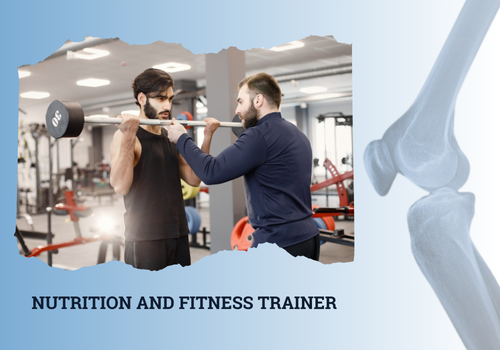
Fitness Training Programmes
Joint-Friendly Exercise for Arthritis Patients
Low-impact aerobic exercise - swimming, stationary cycling, elliptical training. Combined with quadriceps strengthening for knee patients and hip abductor strengthening for hip patients.
Bone-Strengthening Exercise for Osteoporosis
Weight-bearing exercise (walking, light jogging, stair climbing) plus resistance training twice a week. Yoga and tai chi for balance to prevent falls.

Post-Surgery Reconditioning
Phased return to fitness after joint replacement, ACL surgery and other procedures. Exercise progression matched to the surgery and the patient.
General Fitness for Office Professionals
Postural correction, core strengthening, deep neck flexor work and ergonomic guidance for IT professionals from Hinjewadi, Aundh and Wakad.
Pricing
- Initial nutrition consultation (60 minutes): Rs. 1,200 to Rs. 2,000
- Customized 4-week meal plan with weekly review: Rs. 3,000 to Rs. 5,000
- 3-month nutrition and fitness package: Rs. 8,000 to Rs. 14,000
- One-on-one fitness coaching (per session): Rs. 600 to Rs. 1,000