Most patients in Wakad book a physiotherapy session for one of two reasons. Either an orthopedic doctor told them to, or a friend told them to. Either way, they walk in not knowing what to expect from the next 45 minutes. The result is impatience after the second session and dropout by the fourth - exactly when the treatment was about to start working.
The physiotherapy unit at Dr. Swaroop's Ortho and Polyclinic is built around a simple idea. Tell the patient up front what the session looks like, how many sessions are needed and what the milestones are at week 1, week 3 and week 6. Most physiotherapy works. The reason it sometimes does not is that patients quit too early.
What Is Physiotherapy?
Physiotherapy is the use of structured exercise, hands-on manual techniques and physical agents (heat, cold, ultrasound, electrical stimulation) to restore movement and reduce pain. Done well, it is the most cost-effective treatment in orthopedics. A six-week course of physiotherapy that resolves back pain costs less than one MRI scan.
Our physiotherapy team at Wakad treats both walk-in patients (referred by other doctors or coming on their own) and Dr. Solunke's post-surgery patients. The unit is supervised by experienced physiotherapists with specific training in orthopedic rehabilitation.
Conditions Treated at the Wakad Physiotherapy Unit
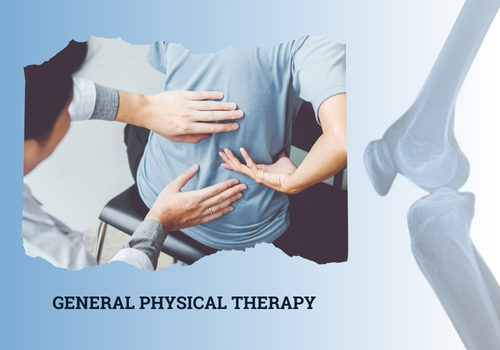
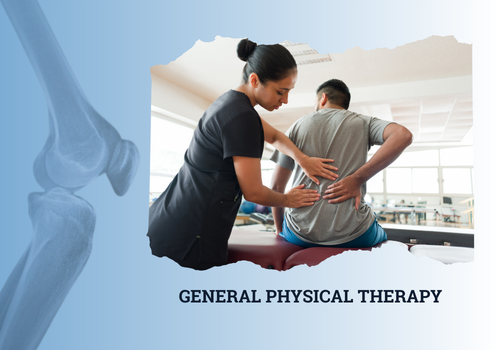
Back Pain
Mechanical low back pain, slipped disc, sciatica and post-spine-surgery recovery. Most patients see significant improvement within 6 to 8 sessions.
Neck Pain and Cervical Spondylosis
Common in IT professionals from Hinjewadi, Aundh and Baner. Treatment includes posture correction, deep neck flexor strengthening, manual mobilization and ergonomic guidance for desk setups.
Knee Pain
Knee osteoarthritis, post-arthroscopy rehab, post-knee-replacement recovery, ITB friction syndrome in runners and patellofemoral pain in young adults.
Shoulder Pain
Frozen shoulder, rotator cuff issues, post-arthroscopy rehab and impingement syndrome.
Hip Pain
Greater trochanteric bursitis, post-hip-replacement recovery, hip flexor tightness in cyclists and runners.
Sports Injuries
Hamstring strains, calf strains, ankle sprains, tennis elbow, golfer's elbow and return-to-sport rehabilitation programmes.
Post-Operative Recovery
Recovery after knee replacement, hip replacement, ACL reconstruction, rotator cuff repair, fracture surgery and spine surgery.
Geriatric Physiotherapy
Balance training, fall prevention, gait retraining and mobility maintenance for elderly patients across PCMC.
What Happens in a Physiotherapy Session
Every first session takes 60 minutes. Every follow-up session takes 45 minutes. Here is the standard structure.
Minutes 1 to 10 - Assessment
History review, pain mapping, range of motion measurement, strength testing, posture analysis. The therapist confirms the diagnosis from the doctor's notes and adjusts the plan if anything has changed since the last visit.
Minutes 10 to 20 - Pain Modulation
Heat or cold therapy, ultrasound, transcutaneous electrical nerve stimulation (TENS), or interferential therapy. The aim is to reduce pain and muscle guarding so the active phase works better.
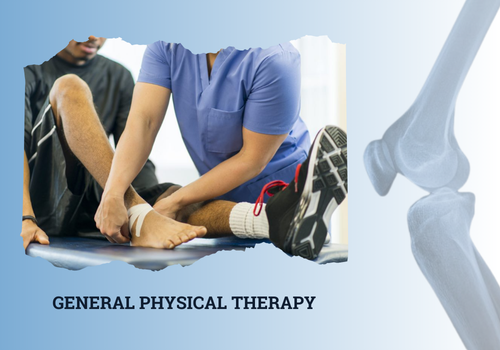
Minutes 20 to 35 - Manual Therapy
Joint mobilization, soft-tissue release, myofascial work, trigger-point release. The hands-on portion is what differentiates a good physiotherapy session from a gym workout.
Minutes 35 to 50 - Exercise Therapy
Targeted strengthening, stretching, proprioception and functional retraining. Exercises are progressed every 1 to 2 weeks based on response.
Minutes 50 to 60 - Home Programme
Three to five exercises to do daily at home. Demonstrated, practiced together, written down and emailed if required. The home programme is where 60 percent of recovery actually happens.
Typical Treatment Course by Condition
- Acute mechanical back pain: 6 to 8 sessions over 3 to 4 weeks
- Chronic back pain: 10 to 15 sessions over 6 to 8 weeks
- Cervical spondylosis: 8 to 12 sessions over 4 to 6 weeks
- Frozen shoulder: 12 to 18 sessions over 6 to 9 weeks
- Knee osteoarthritis: 10 to 12 sessions over 5 to 6 weeks, plus maintenance
- ACL post-surgery rehab: 30 to 50 sessions over 6 to 9 months
- Knee replacement post-op rehab: 20 to 30 sessions over 8 to 12 weeks
- Tennis elbow: 8 to 10 sessions over 4 to 6 weeks
Pricing for Physiotherapy at Wakad
- First assessment session (60 minutes): Rs. 800 to Rs. 1,200
- Follow-up session (45 minutes): Rs. 500 to Rs. 800
- Package of 10 sessions: 10 to 15 percent discount
- Package of 20 sessions: 15 to 20 percent discount
Home visits within Wakad, Hinjewadi, Aundh, Baner, Pimple Saudagar and Pimpri are available for elderly or post-operative patients at a small additional charge. Most insurance policies do not cover outpatient physiotherapy in India, but corporate wellness programmes sometimes do.
Why Patients Choose Our Wakad Physiotherapy Unit
Direct integration with Dr. Solunke's orthopedic clinic - therapists discuss cases with the doctor weekly
Modern equipment including ultrasound, TENS, IFT, traction and exercise rehabilitation tools
Therapists trained in post-arthroplasty and post-arthroscopy protocols
Convenient location - walking distance from Wakad bus stop, easy parking
Flexible timings - early morning and evening slots available for working professionals